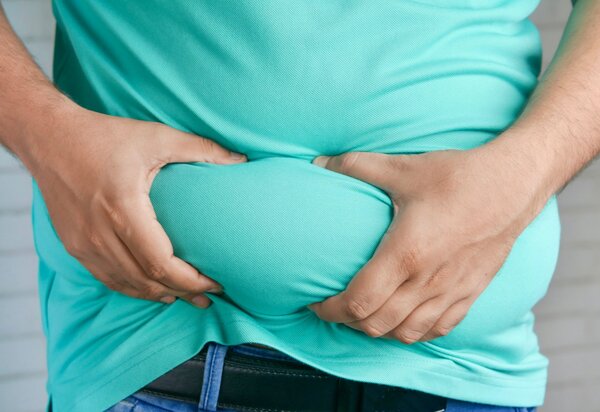
 Please don’t tell me you fell for the lie.
There’s this widespread belief that people are destined to gain weight as they age, but you know what? It’s baloney.
Sure, your changing hormones, responsibilities, and health conditions can contribute to weight gain the longer you live, but those factors are far from being the insurmountable challenges we commonly accept them as.
What really matters when it comes to weight control is calorie consumption, but since people either aren’t aware of how important calories are or how many calories they typically consume, they form detrimental habits that sabotage any hope of staying in shape.
My goal today is to change that.
I’ve included 8 habits below that’ll help keep your calorie consumption, and by extension, your weight under control for the rest of your life.
8 Habits to Keep You From Ever Getting Fat
Habit #1: Eat by Energy Instead of by Feel
Weight control isn’t really about eating healthy, working out, or starving yourself. It’s actually just a numbers game.
Everyone has a set number of calories they can eat each day to maintain their weight. If they eat more than that maintenance level, they gain weight. And if they eat less than that maintenance level, they lose it.
Any weight management plan that doesn’t explicitly involve calorie tracking is just limiting calories in a roundabout way. So instead of tricking yourself into fixing the root cause, why not focus on it at the start?
By far the best way to maintain a healthy weight is to eat according to the energy—aka calories—in your meals instead of letting your stomach dictate when you’re full. Get in the habit of scanning nutrition labels and noting how many calories (per serving) are actually in the food you eat.
This newfound awareness will show you how all those snacks, desserts, and unhinged portion sizes can wreak havoc on your efforts to stay lean.
Habit #2: “Exercise” Without Exercising
 You don’t have to exercise to manage your weight. Yeah, I know that sounds counterintuitive, but most people’s idea of exercise is actually an inefficient and unsustainable path to weight control.
Think about it this way: Is it easier to forego a slice of pizza or run two miles? You’ll cut about 300 calories doing either option, so which one can you consistently choose each day?
As you can see, the choices you make with your food have the greater impact on your weight, but that doesn’t mean all exercise is useless—we just have to rethink what we call exercise.
Running two miles may be an inconvenience for most of us, but you can always walk a few more steps. At my weight for example, 5000 steps a day burns an additional 200 calories, yet 5000 steps doesn’t feel like exercise to me. It just feels like movement.
Instead of pushing yourself to sustain a tough workout routine, try adding similar movement to your life too. You won’t have to change your clothes or “go for a walk” to hit those higher step counts. You can just get up more often at the office or walk in circles while listening to music at home.
Habit #3: Only Eat Two Times a Day
This might sound shocking if you’re in a wealthy nation and have never known food scarcity, but the truth is, you don’t need three meals a day.
Most people’s first meal is just an excuse to stuff their face the moment they wake up, but hardly any of us need food immediately to start our day.
The thought of eating anything now—especially a full meal—within an hour of waking up is nauseating to me. Nowadays, I wait till around noon for my first meal and then eat again later in the evening.
I started this two-meal routine over a decade ago and I will never go back. For one, it lets me eat two larger meals instead of splitting my calorie allowance three ways. And two, it ironically limits my temptation to overeat.
I am much more likely to overdo it if I give myself more opportunities to eat. I’ve also found that eating early in the day just conditions my body to feel hungry more often.
Now of course, my routine means I miss out on what most people call breakfast, but I actually do enjoy breakfast foods pretty often. I just don’t eat them at the crack of dawn anymore.
Habit #4: Weigh Yourself At Least Once Weekly
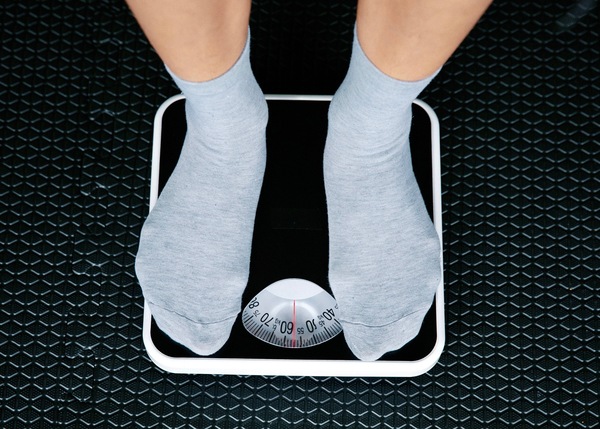 Everyone touts diet and exercise as the two best solutions for weight control, but you wanna know a sneaky third option?
Measure it.
We all have a roundabout way of improving metrics by simply measuring them first. Awareness of where you are and where you want to be causes unconscious changes that affect outcomes.
In the case of weight control for example, you’ll be more likely to control your appetite if you see the number on the scale steadily rise. The person who’s oblivious to their actual weight, however, won’t notice a change until their body makes it obvious.
The number on the scale is good feedback you should embrace no matter what. That feedback is a tool to help you gain awareness of a controllable outcome and act wisely, but don’t obsess over it or ever fear what it says.
Habit #5: Stick to Zero-Calorie Drinks
The average American can likely cut 500 calories each day just by changing their liquid diet. This alone would be enough to lose a pound of fat each week.
So many of us gulp sweetened coffees, sodas, or juices daily without a thought, and it’s insane to me. Liquid calories count just as much as the ones from solid food. Plus, they’re even worse because they don’t actually make you full.
I can’t remember the last time I had a full-calorie drink outside of a holiday or vacation. Water, tea, and zero calorie sodas—which surprisingly taste close enough to the real thing—are pretty much all I ever drink.
Give those alternatives a shot if you aren’t doing so already. Avoiding liquid calories this way is a huge cheat code to maintaining control of your weight.
Habit #6: Sleep On An (Almost) Empty Stomach
As an intermittent fasting truther, I’m used to sleeping now with hardly anything left in the tank.
I typically eat my last meal about 4 hours before bedtime, and since I don’t do any snacking after that meal, my stomach only feels mildly satisfied at most when I hit the bed. What’s interesting though is that any slight feelings of bedtime hunger I have are almost always “fake”.
I realize later that I didn’t actually need more food to feel better and eventually get to sleep. It was just a temporary feeling of slight discomfort. And that’s the feeling you need to get used to.
Habit #7: Prioritize Satiating, Low-Calorie Foods
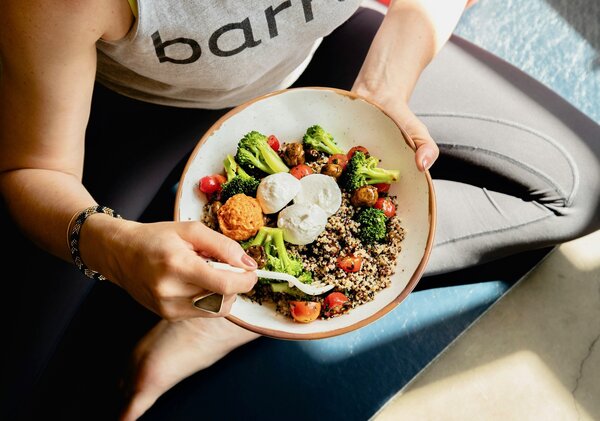 One of the biggest keys to staying lean isn’t eating less. It’s eating foods you don’t have to eat less of.
Low calorie foods like veggies, fruits, and lean protein can satisfy your hunger through volume without running up the calorie count. Protein sources like grilled chicken, fish, and Greek yogurt fill you up quickly and surprisingly keep energy intake to a minimum.
I also like to eat foods high in both soluble and insoluble fiber to curb hunger pangs as well. Fruits, beans, and some cereals (with low-calorie almond milk!) can be really good for fiber intake.
Fiber literally slows your digestion and can keep you feeling satisfied much longer than you think. Fiber also has other health benefits like reducing cholesterol and keeping your digestive system regular.
Lean sources of protein and fiber are much better choices than high carb or high fat meals. High-carb foods aren’t typically filling at a low volume, and many high-fat foods—while not inherently bad—have sky-high calorie counts since fat is a calorie-dense macronutrient.
There’s definitely a place for fat and carbs in any sustainable and healthy diet. They just aren’t the best for keeping hunger at bay at a reasonable calorie cost.
Habit #8: Keep Eating “Unhealthy” Foods
The idea that you have to eat extremely clean to not be obese is ridiculous. Thinking like that will only make you obsess over food in a different way.
I’m actually in my 30’s now at around 12% body fat, yet I still hit up Taco Bell multiple times a week. I know fast food and dessert won’t automatically make me fat. Those foods just get labeled “unhealthy” because they tend to be calorie-dense.
It’s often not worth consuming a large portion of your calorie allowance on a relatively small amount of food. If you understand the calorie cost of what you eat though and have room to fit it in, you should enjoy yourself.
Now obviously, there are other nutritional concerns to keep in mind. Many processed foods are often loaded with sodium, sugar, and cholesterol, but if you eat those foods in moderation and follow the other tips here, you’ll lower the risk of negative health effects without sticking to an impractically strict diet.
Conclusion: It’s Not Your Age, It’s the Habits You Build
So to review, here are the 8 habits you can use to stay lean for the rest of your life:
- Eat by Energy Instead of by Feel
- “Exercise” Without Exercising
- Only Eat Two Times a Day
- Weigh Yourself At Least Once Weekly
- Stick to Zero-Calorie Drinks
- Sleep On An (Almost) Empty Stomach
- Prioritize Satiating, Low-Calorie Foods
- Keep Eating “Unhealthy” Foods
Don’t ever let this world fool you into thinking it’s normal to let yourself go.
If you know what you’re doing and you discipline yourself consistently, you’ll withstand the pressure that makes almost everyone else’s body succumb.
Be an example for those people around you and let your work show what’s possible at any decade of life. Then if anyone asks you how you do it, just point them to the habits above.
-Drew
Leave a Reply