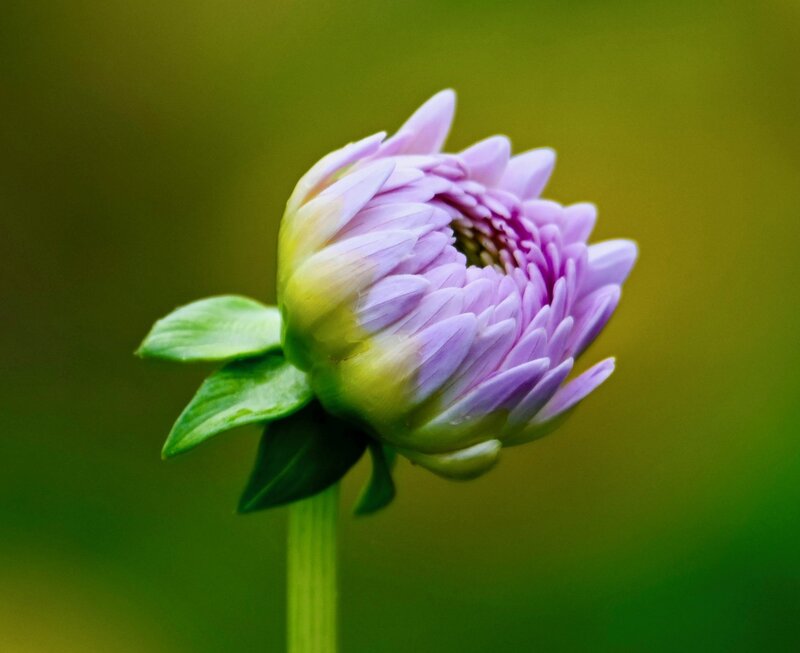
 Are you a late bloomer?
To clarify, I’m not asking if you hit puberty late or if it took forever to see your last growth spurt.
I mean in regards to life.
A late bloomer is someone whose talents, personal growth, or achievements aren’t realized—or at least, aren’t apparent—until later than we expect.
The 30-year-old college graduate, the 40-year-old first-time mother, or the 60-year-old who finally got his book published all carry the “late bloomer” label. They’re outliers compared to conventional timelines and proof that success isn’t bound by expectations.
These people are such an inspiration that Google searches on the topic lead to titles like this:
- “Why It’s Good to Be a Late Bloomer”
- “The Joy of Being a Late Bloomer”
- “Why Being a Late Bloomer Is Actually a Gift”
But can I be honest with you amidst this sea of positivity?
Being a late bloomer absolutely stinks.
Sure, this opinion probably makes me sound bitter, but as a person who could be described as a late bloomer in multiple ways, it irks me when people put overly positive spins on circumstances they know aren’t appealing at all.
No one who’s a late bloomer actually wanted to be one. I’ll explain five reasons why below.
Why Being a Late Bloomer Stinks
Reason 1: Uncertainty
 “Are you really a late bloomer, or will you never bloom at all?”
That question crossed the mind of every person who achieved delayed success.
The more time passes, the more we tend to question the outcome, no matter how illogical doing so may be.
This phenomenon isn’t restricted to major life changes either. Waiting for even small moments brings similar questions of doubt:
- You didn’t get a text back from your crush instantly, so maybe she doesn’t like you.
- Your food wasn’t delivered in 15 minutes or less, so perhaps the restaurant forgot your order.
- Your colleague didn’t finish the task you gave him an hour ago, so you probably can’t trust him at all.
How much more do you think doubt seeps in after years of life go by?
Reason 2: Loneliness
Being a successful outlier is a great achievement, but it doesn’t change the fact that you’re still an outlier.
By definition, a late bloomer is different from the crowd.
The normal life track of school, career, marriage, and kids doesn’t apply to everyone—at least not at the expected times. And if you happen to be a person whose life doesn’t align with that track quickly, you can find yourself isolated soon.
It’s difficult to connect with people who are at different stages of life. There’s a reason why a college student and a middle manager father of four won’t typically be seen hanging out.
Some life changes have a way of distancing us from others who haven’t achieved them yet. This fact is something late bloomers know all too well.
Reason 3: Inadequacy
Late bloomers wouldn’t be described as “late” if the term didn’t have comparisons in mind. And as with any comparison, it’s hard not to feel inadequate when you’re the one behind the curve.
Even if you know other people are on a track you’d never want, their lives may still make you feel inadequate. Then, instead of living your own life, you might let those people determine who you’re “supposed to be”.
You start thinking they’re smarter than you, or more fun, or more attractive. And if you’re not careful, you can ignore the genuinely great things about yourself because you’re obsessed with who others are.
Reason 4: Regret
 No matter how old you are, I’m sure you know at least one moment that could have changed your life if you acted differently.
If only you went to that school, or accepted that job, or texted that guy, you believe life would have changed for the better. In most cases though, you experienced a satisfactory change soon after which allowed you to move on.
Late bloomers didn’t have that luxury.
Their “what if’s” stuck around much longer than expected. And knowing a huge delay may have been caused by their own error leads to all kinds of regret.
Reason 5: Futility
Even if things do click for you later in life, you might still find yourself thinking, “too late”.
The delay might erase compounding benefits you’d have if you were successful earlier. The long wait also means you won’t have as much time to enjoy the successes you later gain.
Either way, concerns like those can lead to endless questions about your struggle:
- Did you climb a mountain for years only to get a 15-minute moment?
- Will people even respect you since you took an unconventional path?
- Are the changes you achieved as satisfying as you thought they’d be?
Those are the questions you’ll wrestle when you bloom late.
Why You Should Still Own It
You see why everyone tries to spin this label into a positive?
The reality of blooming late can be downright depressing. But you know what?
I believe we should own it anyway.
Yes, reality can often be difficult, but here are five reasons why you should proudly embrace it.
Reason 1: You Can’t Always Control Timing
 You should never be ashamed of things that aren’t fully dependent on you.
Good things in life can take as long as they take, and it is no fault of your own.
No, that’s not an excuse to be passive about what you want, but you have to know your control is limited—the uncertainty will drive you crazy otherwise.
As much as technology has opened doors these days and enabled unlikely connections, we still can’t play God. We can’t ensure the right people with the right interests will intersect our path, so sometimes, we have to wait.
We should actively wait in the meantime though by preparing for when connections are made.
Reason 2: Waiting Makes You Relatable
You know why the late bloomer examples from earlier are so inspirational?
It’s because they give people hope.
Contrary to what social media says, everyone doesn’t accomplish all their life goals by age 30. Other people in the same boat just aren’t as loud about their lives.
Finding success later than expected shows people with the same struggles that they aren’t lost or inferior either. They’re outliers trying to find what works for them too.
That’s why you should still embrace your path when it doesn’t go as expected. Others like you long for examples that show where they can relate.
Reason 3: Understanding Beats Early “Wins”
 A lot of us have irrational confidence when we’re young. We gain a little bit of knowledge, get a taste of success, and then think we’re ready for anything. Add considerations of our young age to the mix, and we gain a special sort of arrogance that stems from thinking we’re invincible too.
Almost all of us can look back later though and admit we weren’t actually ready.
We didn’t know how much we didn’t know. And if we had the responsibility of marriage, kids, or our dream career at that point, there’s a good chance we would have messed everything up.
Blooming late usually means you learned how to do something that didn’t come naturally after all. And that newfound understanding is more valuable than meeting goals when you think you should.
Reason 4: Perseverance Must Be Learned
Endurance is not a skill anyone’s born with. We all enter the world with a very low failure tolerance.
Life has to train us to stick with difficult choices that are necessary. Sometimes, that means saying “no” to an opportunity you dreamed of because it’s not actually the right fit. Sometimes, it means you do the same thing over and over again and expect different results.
While it’s tempting to regret those decisions when they don’t immediately pay off, those choices develop the perseverance that lets improbable events come true.
Late bloomers know that luck is what happens when preparation meets opportunity. So take pride in being a person who sticks around until opportunity hits.
Reason 5: Aligning With Purpose Is Worth It
 You know why mothers have multiple children even though childbirth is extremely painful?
It’s because the result is worth it—so much so that they’d do it all over again.
Being a late bloomer is similar.
All the pain, struggle, and doubt is front-loaded, but once things turn around, all of that gets vindicated. Even if it is just 15 minutes, even if the result doesn’t seem proportional to the work, you will always have a moment that validates the path you took.
It’s so easy to compare yourself to others and wish for what they have, but if we’re honest, we’ll admit that we don’t actually want what’s theirs. Deep down, we know living another person’s life won’t satisfy.
What we really want is proof that our own lives, and our own purpose, can bring the same kind of success.
Since that’s the case, we should stop convincing ourselves that we’re inferior. We should stop worrying about timelines and comparisons too.
We don’t endure because we want to be like everyone else. We endure because we want the satisfaction of seeing our own path through to the end.
With that truth in mind, there’s really no such thing as blooming “late”.
Every flower will bloom when it should.
-Drew
Leave a Reply